Do Missing Parts Lower the Value of a Junk Car?
Introduction: When “Junk” Isn’t Actually Empty
Many owners in Florence, KY assume that once a car stops running, its value drops to a flat rate. Whether the engine is gone or the interior is stripped, they expect the number to stay about the same.
In reality, junk car pricing is built around what remains. Every missing component changes how a buyer evaluates the vehicle. Some parts barely matter. Others can cut an offer in half.
This guide explains which parts affect value, how buyers adjust offers when components are missing, and what that means for anyone preparing to sell a vehicle that is no longer complete.
How Buyers Look at a Junk Car
A junk car is not always treated as scrap. Buyers decide whether a vehicle is:
Purely recyclable material
A source of resale parts
A combination of both
That decision happens before a price is ever given.
A complete non-running car may be evaluated as inventory. A stripped shell is treated like raw material. Missing parts shift a vehicle from one category to the other.
The more usable components remain, the more value can exist beyond scrap weight.
Parts That Have the Greatest Impact on Value
Not all parts are equal. Some components drive most of the difference between a high offer and a low one.
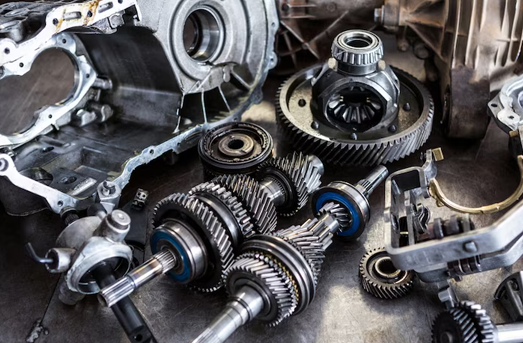
Engine and Transmission
These are the heart of resale value. A vehicle with its original drivetrain intact can be worth significantly more than its scrap weight.
When either is missing:
The buyer loses the largest resale opportunity
The car becomes harder to justify as inventory
The offer often drops to near-scrap levels
Catalytic Converter
This single part can dramatically change value. It contains precious metals and is heavily regulated.
If it is missing:
Scrap value drops
Processing becomes more complex
Buyers may adjust offers downward immediately
Wheels and Suspension Components
Cars that roll are easier and cheaper to move. Missing wheels or major suspension parts increase labor and transport cost, which is reflected in the quote.
Electronics and Modules
Modern vehicles contain dozens of resale-grade electronic components. If these are intact, the car may still hold strong value even if it does not run.
Parts That Usually Matter Less
Some missing items have little effect on price.
Interior trim, broken seats, damaged dashboards, and worn carpets rarely change an offer much. Cosmetic body damage often matters far less than people expect.
These elements affect appearance, not recyclability or core resale value.
How Missing Parts Change the Offer
Buyers adjust pricing through a simple evaluation flow:
Establish the scrap baseline using weight and metal rates
Determine whether the vehicle has resale potential
Identify which major components are present
Subtract value for each missing high-impact part
Add logistics costs if the vehicle is harder to move
A complete car may be priced as both scrap and inventory.
A stripped car is priced almost entirely as scrap.
Each missing component pushes the vehicle further toward the lowest tier.
Common Scenarios in the Real World
These patterns appear often in Florence, KY:
Two cars of the same model can differ by hundreds of dollars simply because one still contains its core components.
Should You Remove Parts Before Selling?
Some owners consider selling parts separately and then scrapping what remains. This can make sense in specific situations, but it is rarely straightforward.
Removing a catalytic converter or engine may produce quick cash, but it also lowers the value of the remaining vehicle. The combined total often ends up similar—or lower—than selling the car intact.
Parting out also requires:
Tools and space
Mechanical knowledge
Time and storage
Finding individual buyers
For many owners, especially those in Florence, KY who simply want the vehicle gone, selling the car complete is the cleaner and more predictable option.
What This Means for Sellers
Before requesting quotes, it helps to know exactly what is still on the vehicle.
Being accurate about missing parts allows buyers to:
Quote fairly
Avoid last-minute adjustments
Schedule proper equipment
A car with everything intact is usually worth more than one that has been picked over. Even when a vehicle no longer runs, completeness often determines whether it is treated as inventory or scrap.
FAQs
Does a missing engine always drop the price?
Yes. The engine is one of the most valuable components. Without it, most vehicles fall close to scrap value.
Does removing the catalytic converter help or hurt?
It can hurt. While the converter itself has value, its absence lowers the offer for the rest of the car.
Do missing interior parts matter?
Usually not much. Buyers focus on mechanical and resale-grade components.
Can a stripped car still be sold?
Yes. It still contains recyclable metal, but it will be priced almost entirely by weight.
Does local demand change this?
Yes. In Florence, KY, demand for certain models and parts can soften or amplify the effect of missing components.
Conclusion: Completeness Is Value
A junk car is not just metal. It is a collection of parts, each carrying potential worth. The more that remains, the more options a buyer has—and the higher the offer can be.
Understanding which parts matter helps you interpret quotes and decide how to approach the sale. For owners in Florence, KY, working with a buyer who evaluates both scrap and resale potential provides clarity from the start. Northern Kentucky Cores approaches every vehicle with that balance, helping sellers understand how missing components affect value so the final offer always makes sense.
