Can You Sell a Wrecked or Flooded Vehicle for Cash?
Introduction: When Damage Feels Like the End of the Road
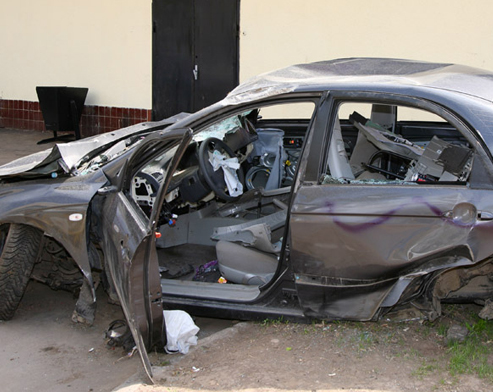
After a serious accident or flood, most owners assume their vehicle is worthless. Airbags are deployed. The engine will not start. The interior smells like mildew. Insurance may have already labeled it a total loss.
For many people in Florence, KY, that leads to a simple question: Is this car still worth anything, or is it just trash now?
The answer is that wrecked and flooded vehicles often still have cash value. They may no longer belong on the road, but they still contain metal, components, and materials that can be reused or recycled. The path from damage to payout depends on what remains and how buyers evaluate risk.
This guide explains how buyers look at wrecked and flooded cars, what affects their value, and what owners can realistically expect.
How Buyers View Damaged Vehicles
A damaged car is not automatically treated as scrap. Buyers first decide which category it falls into:
Vehicle with salvageable parts
Vehicle suitable only for recycling
Vehicle that cannot be processed economically
That decision shapes everything that follows.
Wrecked vehicles often retain mechanical value. Flooded vehicles tend to lose resale potential more quickly because water damages electronics, wiring, and interiors. However, both types still contain metal, structural components, and in some cases usable parts.
The question is not “Is it drivable?”
The question is “What can still be recovered?”
Wrecked Vehicles: When Impact Doesn’t Mean Zero Value
Collision damage is usually localized. Even when a car is totaled, large portions of it may remain intact.
Buyers look at:
Whether the engine and transmission survived
Whether the frame is bent
Which areas absorbed the impact
Whether components can be removed safely
A front-end collision may destroy the radiator and hood while leaving the drivetrain untouched. A rear-end impact may leave the entire front half usable. In these cases, the vehicle may still be treated as parts inventory.
That is why a heavily damaged car can still bring cash in Florence, KY. The damage may be severe to the eye, but value is measured by what remains functional.
Flooded Vehicles: Why Water Changes the Equation
Flood damage is different. Water does not just break things—it compromises systems invisibly.
Buyers consider:
How high the water reached
Whether saltwater was involved
How long the vehicle sat submerged
Whether electronics were affected
Even shallow flooding can destroy control modules, wiring harnesses, and safety systems. Mold and corrosion continue to spread over time.
Because of this, flooded cars are rarely suitable for parts resale. Most are evaluated close to scrap value.
That does not mean they are worthless. It means their value comes primarily from metal and raw material rather than components.
What Determines the Offer on a Damaged Vehicle
Several factors shape how much a wrecked or flooded car is worth:
Damage Type
Collision damage often preserves part value. Flood damage usually eliminates it.
Completeness
Vehicles with engines, transmissions, and catalytic converters intact are worth more than stripped shells.
Vehicle Weight
Heavier vehicles contain more recyclable metal and start with a higher baseline.
Market Demand
In Florence, KY, local demand for certain makes and models influences which parts are worth extracting.
Scrap Prices
When metal prices rise, even severely damaged cars gain value.
Every offer blends these elements.
Typical Value Patterns
These patterns appear frequently in real transactions:
Two cars that look equally destroyed can differ by hundreds of dollars depending on what remains inside.
What Owners Should Do Before Selling
Before requesting quotes, it helps to gather accurate information:
What type of damage occurred
Whether the engine and transmission are present
Whether the car rolls and steers
Whether floodwater reached the cabin
Whether the title is available
Providing clear details allows buyers to quote realistically and avoids last-minute changes during pickup.
Removing parts before selling often reduces total value. While selling a catalytic converter separately may bring quick cash, it can lower what remains of the vehicle.
A Simple Decision Flow
Use this logic to set expectations:
Was the vehicle in a collision but still structurally intact?
It may hold parts value.Was the vehicle submerged or exposed to floodwater?
Expect scrap-based pricing.Are the engine and catalytic converter still present?
The offer will be higher.Is the car complete and accessible?
Transport costs stay low.
Most damaged vehicles still fall somewhere on the value spectrum. Very few are truly worthless.
FAQs
Can I sell a totaled car for cash?
Yes. Even totaled vehicles often contain valuable parts or recyclable metal.
Are flooded cars harder to sell?
They are harder to resell as vehicles, but they still have scrap value.
Will I get less for a flood car than a wrecked car?
Usually, yes. Flood damage removes most resale potential.
Does insurance status matter?
No. Whether insurance totaled the car does not affect its scrap or parts value.
Does location matter?
Yes. In Florence, KY, local demand and processing access influence how damaged vehicles are evaluated.
Conclusion: Damage Does Not Mean Zero
A wrecked or flooded car may no longer belong on the road, but it is rarely worthless. Metal, components, and materials still carry value. The type of damage determines whether that value comes from parts, scrap, or both.
For owners in Florence, KY, understanding this prevents unnecessary loss. Instead of letting a damaged vehicle sit, it can be converted into cash. Northern Kentucky Cores approaches wrecked and flooded cars with that perspective, helping owners understand what remains valuable and how their vehicle fits into the recovery process so the final offer always makes sense.
